

Your Skin: A Reflection of Your Inner Health
Many of us spend a fortune on creams, serums, and treatments to achieve clear, glowing skin. But what if the secret to a healthy complexion lies not on the surface, but deep within your gut? The gut-skin connection is a rapidly emerging area of research, revealing that the health of your digestive system can have a direct impact on the health and appearance of your skin.
This connection explains why conditions like acne, eczema, and rosacea are often linked to underlying gut issues. By addressing your gut health, you can support your skin from the inside out, leading to a more radiant and resilient complexion.
How Does the Gut-Skin Axis Work?
The gut and skin are in constant communication through a complex network involving the immune system and the microbiome. Here’s how it works:
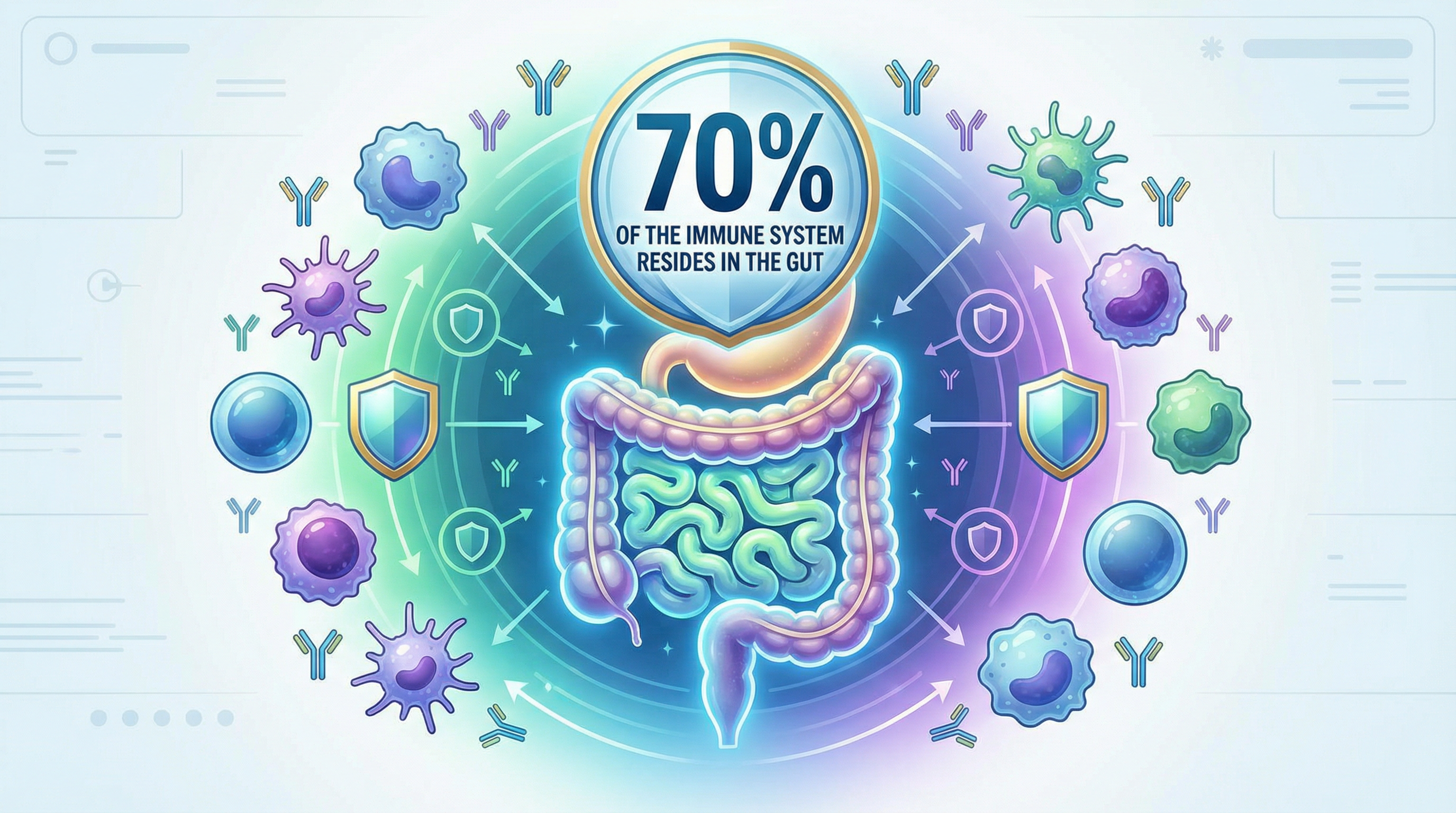
- Inflammation: An imbalanced gut microbiome can lead to chronic inflammation. This inflammation is not confined to the gut; it can travel throughout the body and manifest on the skin, triggering conditions like acne and eczema.
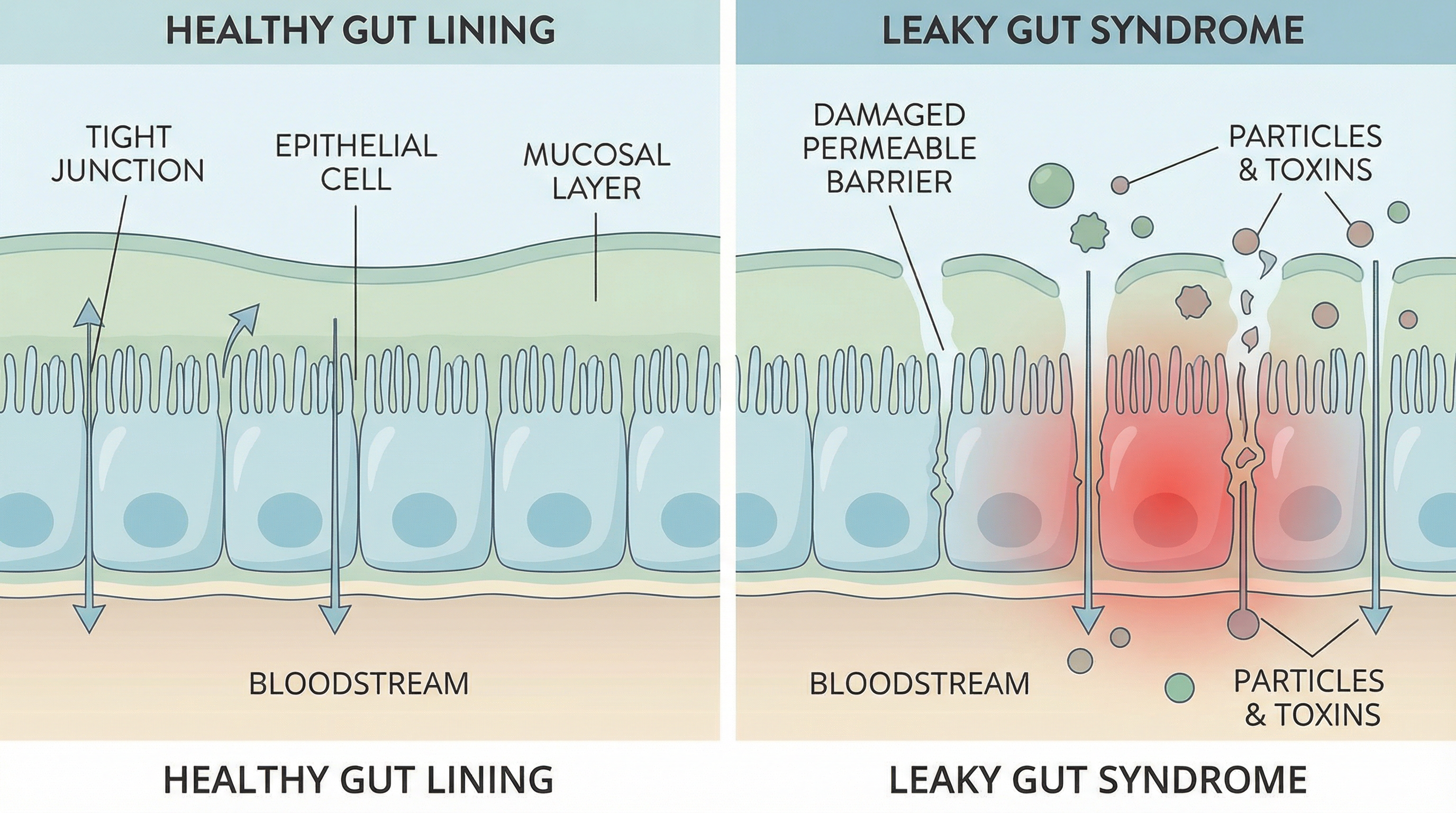
- Leaky Gut: When the gut lining becomes permeable (a condition known as leaky gut), undigested food particles and toxins can enter the bloodstream. This can trigger an immune response that leads to skin inflammation.
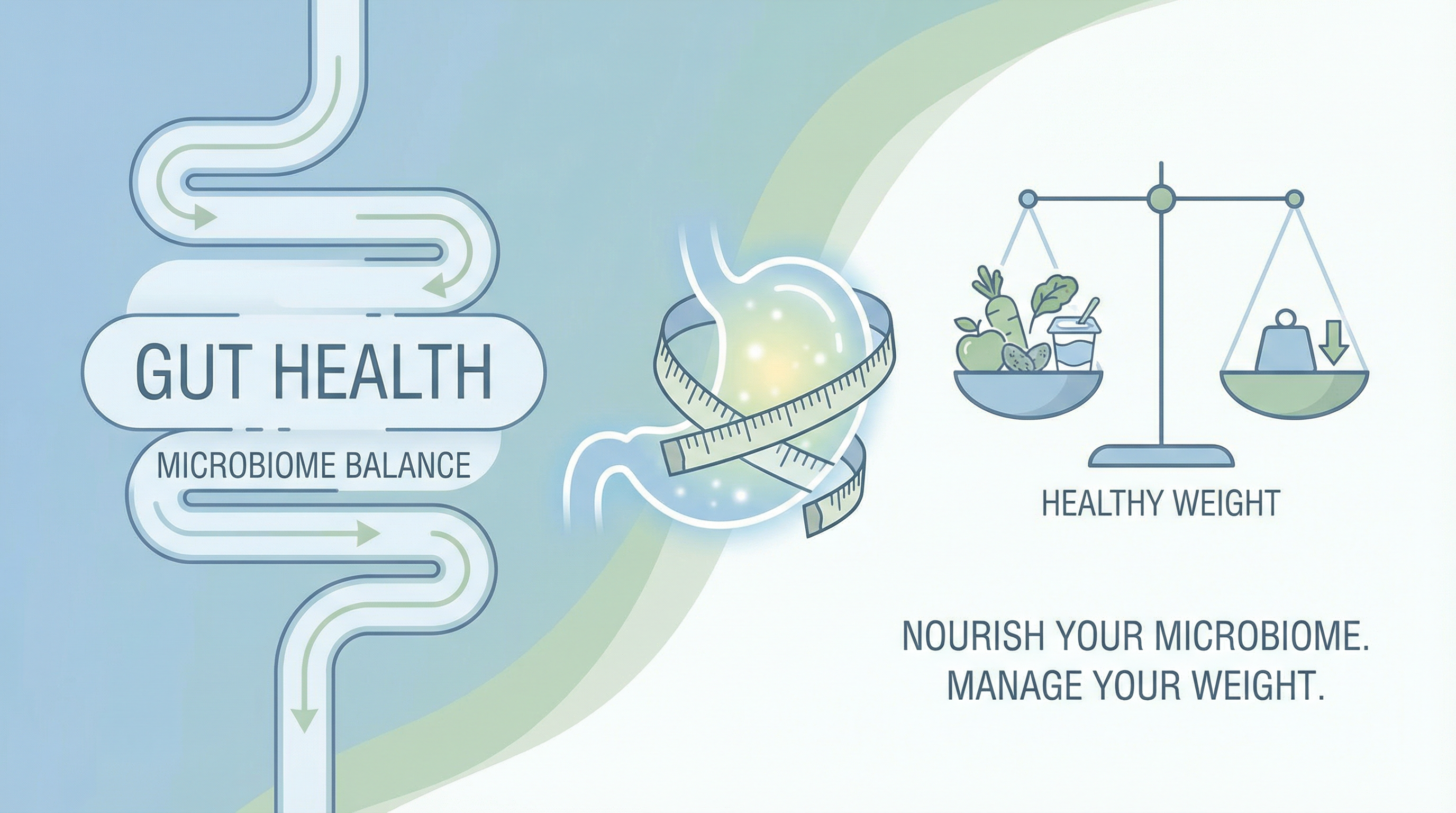
- Microbiome Influence: The bacteria in your gut can influence the bacteria on your skin. A healthy gut microbiome can help to promote a healthy skin microbiome, which is essential for protecting against pathogens and maintaining skin health.
Common Skin Conditions Linked to Gut Health
Acne
Research has shown a strong link between acne and gut health. People with acne are more likely to have gut inflammation and an imbalanced microbiome. By improving gut health, many people find that their acne improves significantly.
Eczema (Atopic Dermatitis)
Eczema is an inflammatory skin condition that is often linked to gut health. An imbalanced microbiome and a leaky gut can contribute to the chronic inflammation that drives eczema.
Rosacea
Rosacea is another inflammatory skin condition that has been linked to gut issues. Studies have found that people with rosacea are more likely to have small intestinal bacterial overgrowth (SIBO) and other forms of dysbiosis.
Psoriasis
Psoriasis is an autoimmune condition that causes rapid skin cell turnover. Like other autoimmune conditions, it is strongly linked to gut health. Improving gut health can be a key part of managing psoriasis.
Nourishing Your Skin from Within
If you're struggling with skin issues, it's time to look beyond topical treatments and start focusing on your gut. Here are some steps you can take to support your gut-skin connection:
- Eat a Gut-Friendly Diet: Focus on whole, unprocessed foods, including plenty of fiber-rich vegetables, fruits, and whole grains. Incorporate gut-healing foods like bone broth and fermented foods.
- Manage Stress: Chronic stress can negatively impact both your gut and your skin. Find healthy ways to manage stress, such as meditation, yoga, or spending time in nature.
- Consider Probiotics: Probiotics can help to restore balance to your gut microbiome, which can have a positive impact on your skin.
By taking a holistic approach that addresses your inner health, you can achieve the clear, glowing skin you've always wanted. Ready to get started? Learn how to heal your gut naturally.