

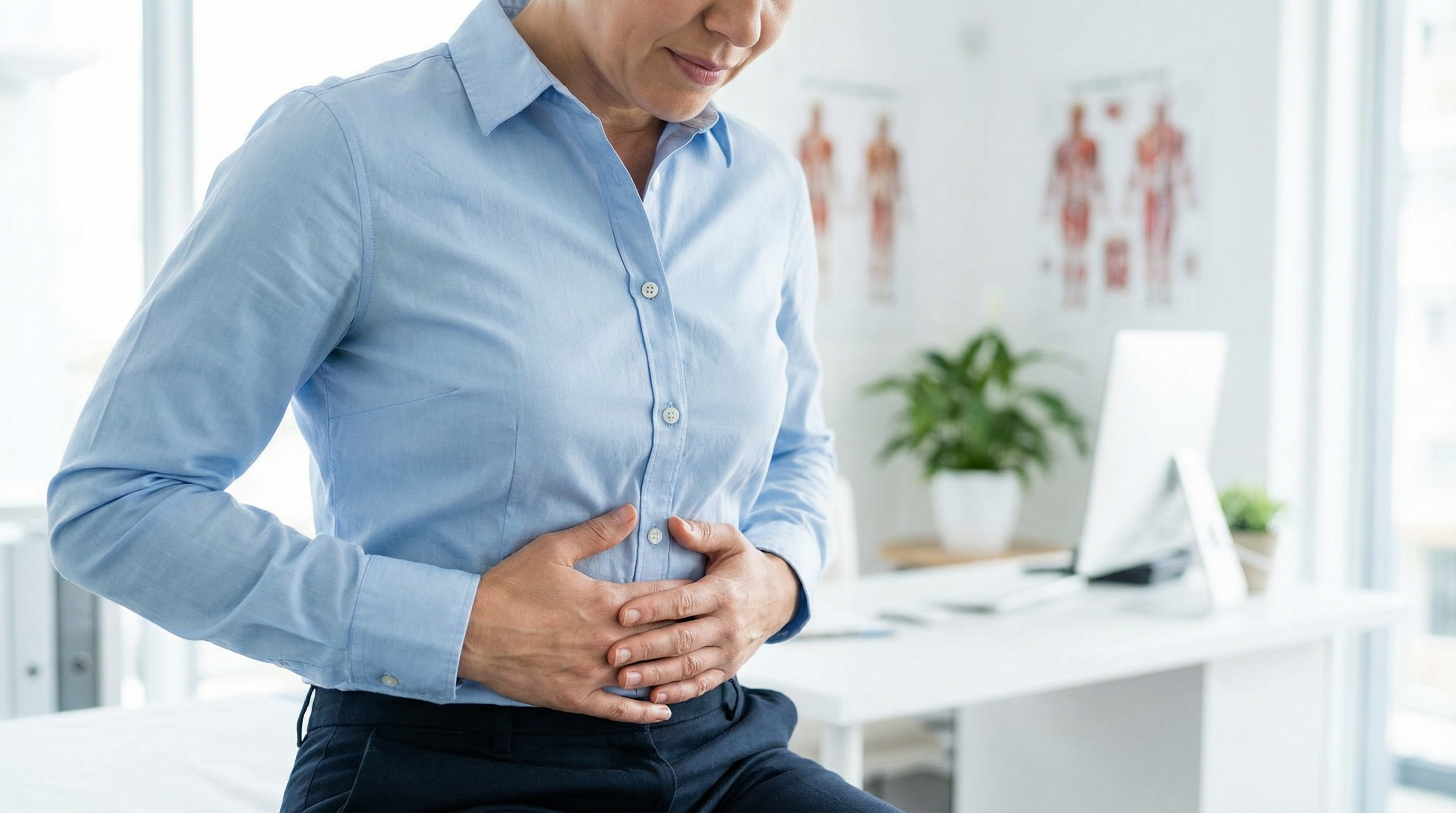
Beyond the Obvious: The Hidden Language of Dysbiosis
When you think of gut problems, you probably think of digestive issues like bloating, gas, or an upset stomach. While these are certainly common signs of gut imbalance, the truth is that your gut health can impact your entire body in ways you might not expect. An unhealthy gut can send out a variety of signals, many of which are surprisingly subtle and seemingly unrelated to digestion.
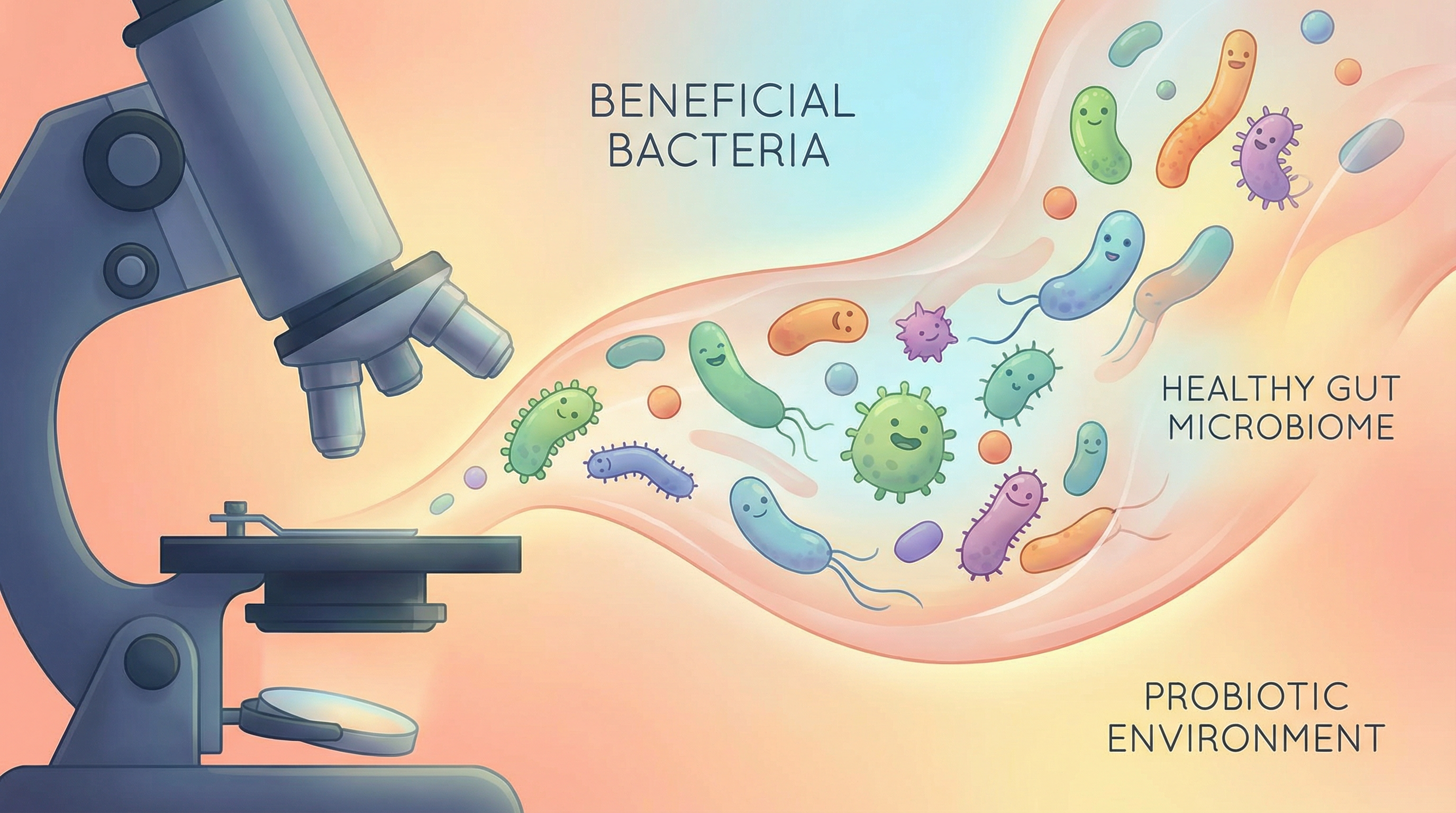
This condition, known as dysbiosis, occurs when the balance of beneficial and harmful bacteria in your gut microbiome is disrupted. Recognizing the hidden signs of dysbiosis is the first step toward restoring balance and improving your overall health. Here are 10 surprising signs that your gut may be out of balance.
1. Chronic Fatigue and Low Energy
If you constantly feel tired, even after a full night's sleep, your gut might be to blame. An unhealthy gut can impair nutrient absorption, leading to deficiencies that drain your energy. Additionally, chronic inflammation in the gut can contribute to fatigue.
2. Skin Issues Like Acne, Eczema, or Rosacea
Your skin is often a mirror of your gut health. Inflammation in the gut can manifest on your skin, leading to conditions like acne, eczema, psoriasis, and rosacea. This is due to the gut-skin connection, where an imbalanced microbiome can trigger an inflammatory response that affects the skin.
3. Mood Swings, Anxiety, and Depression
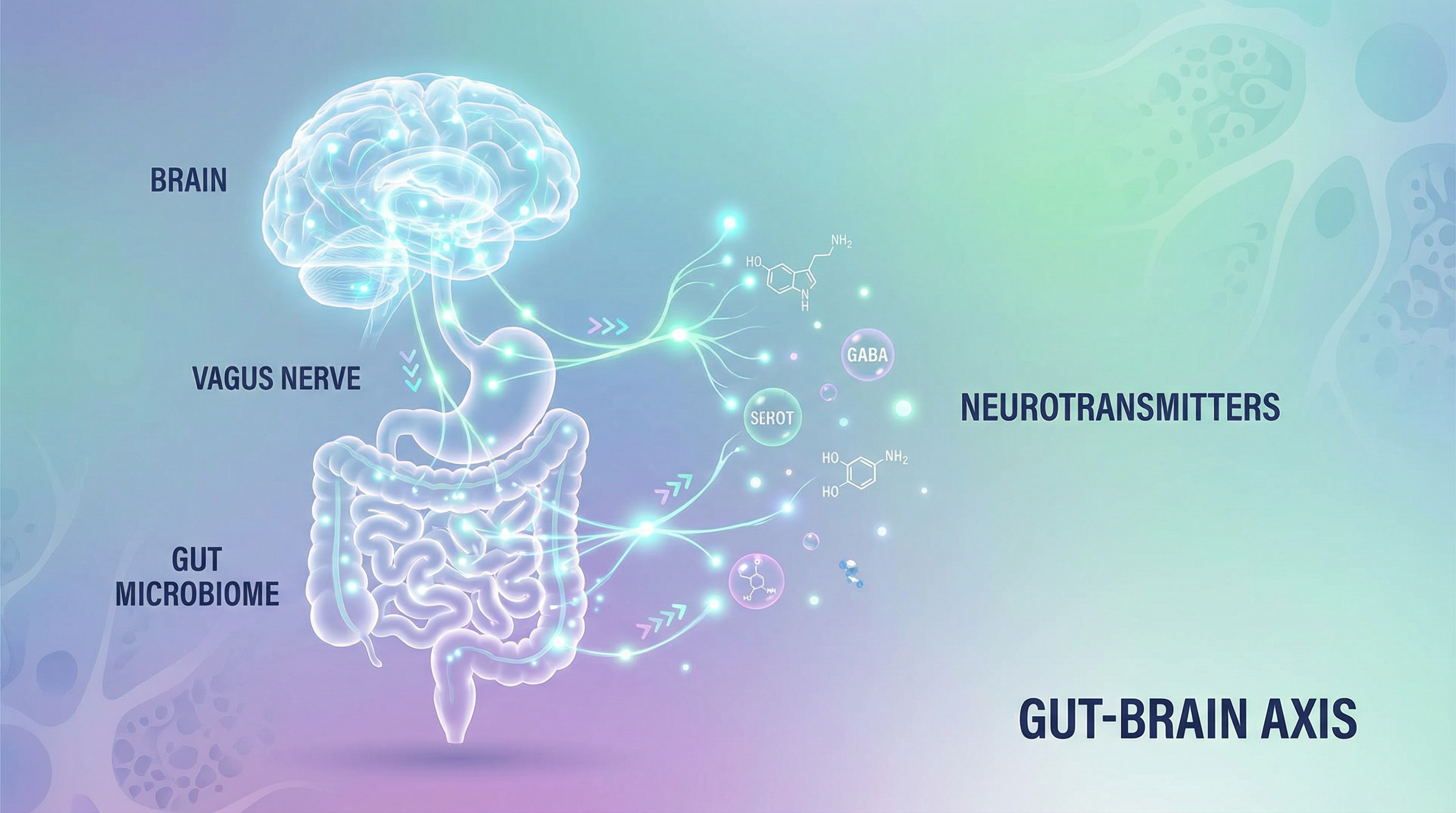
The gut-brain axis means that your digestive health is intricately linked to your mental and emotional well-being. A significant portion of your body's serotonin, a key mood-regulating neurotransmitter, is produced in the gut. An imbalanced microbiome can disrupt this production, contributing to mood swings, anxiety, and even depression.
4. Unexplained Weight Changes
If you're gaining or losing weight without making significant changes to your diet or exercise routine, your gut could be a factor. An imbalanced microbiome can affect how your body absorbs nutrients, stores fat, and regulates blood sugar, all of which can lead to unintentional weight changes.
5. Frequent Infections and a Weakened Immune System
Since about 70% of your immune system is located in your gut, it's no surprise that an unhealthy microbiome can weaken your body's defenses. If you find yourself getting sick frequently, it could be a sign that your gut health needs attention.
6. Autoimmune Conditions
Emerging research suggests a strong link between gut health and autoimmune diseases. A condition known as leaky gut, where the intestinal lining becomes permeable, can allow undigested food particles and toxins to enter the bloodstream, triggering an autoimmune response.
7. Food Intolerances or Sensitivities
If you find yourself reacting negatively to certain foods that you used to tolerate well, it could be a sign of an unhealthy gut. Food intolerances can develop when the gut lining is compromised or when there is an imbalance in gut bacteria, making it difficult to digest certain foods.
8. Sleep Disturbances or Insomnia
Your gut health can even affect your sleep. An imbalanced microbiome can disrupt the production of hormones and neurotransmitters that regulate sleep, leading to issues like insomnia or poor-quality sleep. The connection between stress and gut health also plays a role here.
9. Brain Fog and Difficulty Concentrating
If you struggle with brain fog, memory issues, or difficulty concentrating, it might not be just in your head. The gut-brain axis means that inflammation and imbalances in the gut can directly impact your cognitive function.
10. Bad Breath or Body Odor
Persistent bad breath (halitosis) that isn't resolved by good oral hygiene can sometimes be a sign of an underlying gut issue. An overgrowth of certain types of bacteria in the gut can produce odorous compounds that can be released through your breath.
What to Do Next?
If you recognize several of these signs in yourself, it may be time to focus on your gut health. The good news is that you can take steps to restore balance to your microbiome. Start by learning about how to heal your gut naturally and discover the best gut-healing foods to incorporate into your diet.