

A Two-Way Conversation: Introducing the Gut-Brain Axis
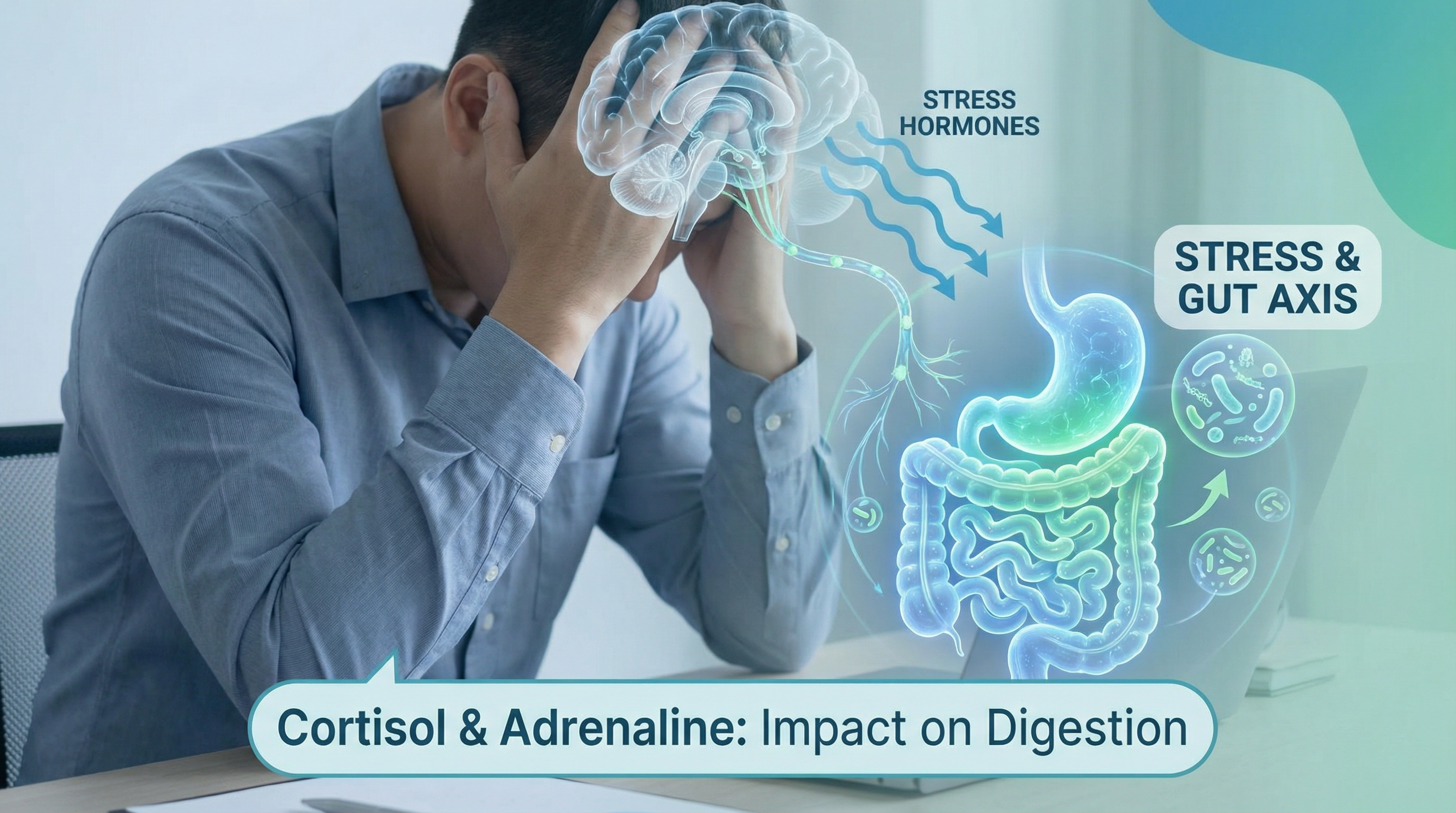
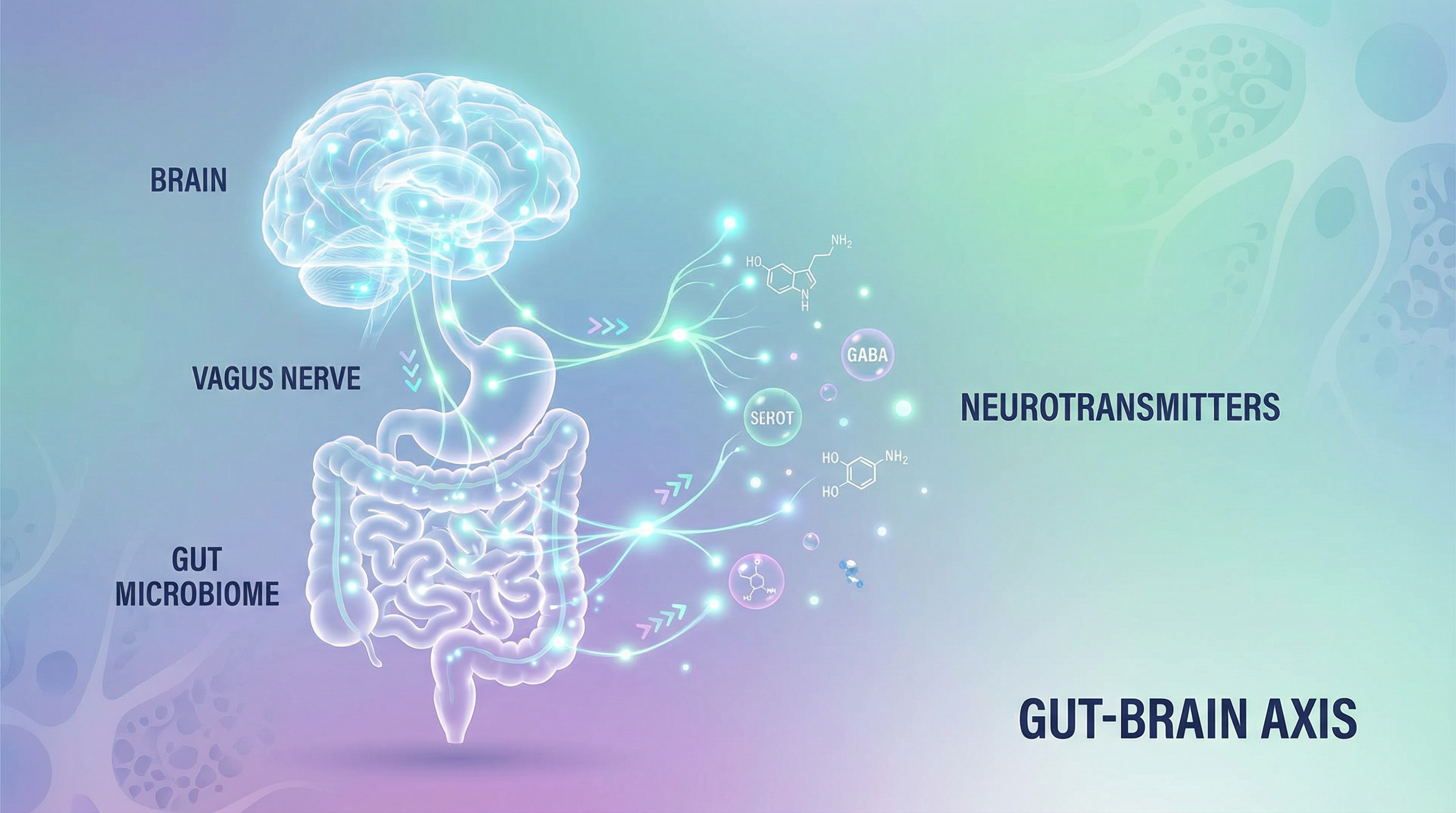
Have you ever had a “gut feeling” about something, or felt “butterflies in your stomach” when you were nervous? These common phrases hint at a profound biological reality: your gut and your brain are intricately connected. This communication network, known as the gut-brain axis, is a two-way street where the gut can influence the brain, and the brain can influence the gut.
This connection is at the forefront of the gut health revolution, revealing that our digestive health has a powerful impact on our mental and emotional well-being. Understanding this relationship is key to addressing issues like anxiety, depression, and brain fog.
How Does the Gut-Brain Axis Work?
The gut and brain communicate through several pathways:
- The Vagus Nerve: This is the longest cranial nerve in the body and acts as a direct information highway between the gut and the brain.
- Neurotransmitters: Your gut microbes can produce many of the same neurotransmitters that your brain uses, including serotonin (the “happy chemical”) and dopamine. In fact, it's estimated that up to 95% of the body's serotonin is produced in the gut.
- The Immune System: The gut is a major hub for the immune system. Inflammation in the gut can trigger an immune response that affects the brain.
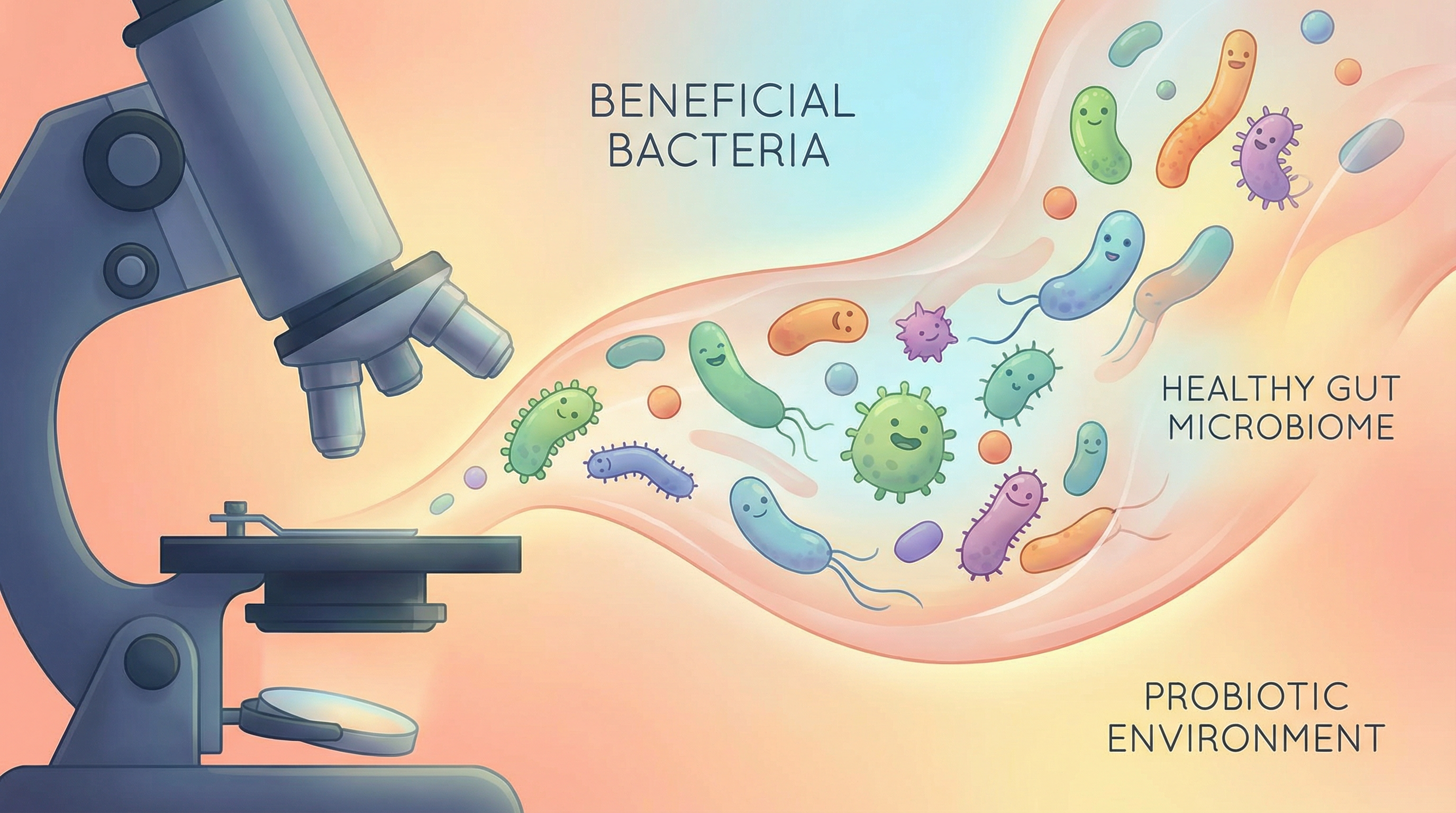
- Short-Chain Fatty Acids (SCFAs): When beneficial gut bacteria break down fiber, they produce SCFAs. These compounds can travel to the brain and influence its function.
The Gut's Influence on Mood and Mental Health
Given the close connection between the gut and the brain, it’s no surprise that an unhealthy gut can contribute to mental health issues. An imbalanced gut microbiome can lead to:
- Increased Anxiety and Depression: Disrupted neurotransmitter production and increased inflammation can contribute to mood disorders.
- Heightened Stress Response: An unhealthy gut can make you more vulnerable to the effects of stress.
- Brain Fog and Cognitive Decline: Inflammation and nutrient deficiencies resulting from poor gut health can impair cognitive function.
Recognizing these signs of gut imbalance is crucial for addressing both your physical and mental health.
Nourishing Your Gut to Support Your Brain
The exciting news is that by improving your gut health, you can positively impact your mental well-being. A gut-friendly diet and lifestyle can help to:
- Reduce Inflammation: Eating anti-inflammatory foods can calm the immune system and reduce inflammation throughout the body, including the brain.
- Support Neurotransmitter Production: A healthy microbiome can help ensure a steady supply of mood-regulating neurotransmitters.
- Strengthen the Gut Barrier: Healing a leaky gut can prevent inflammatory compounds from entering the bloodstream and affecting the brain.
Ready to support your gut-brain connection? Start by incorporating gut-healing foods into your diet and learning how to heal your gut naturally.