

A City Within: The Microbial Metropolis
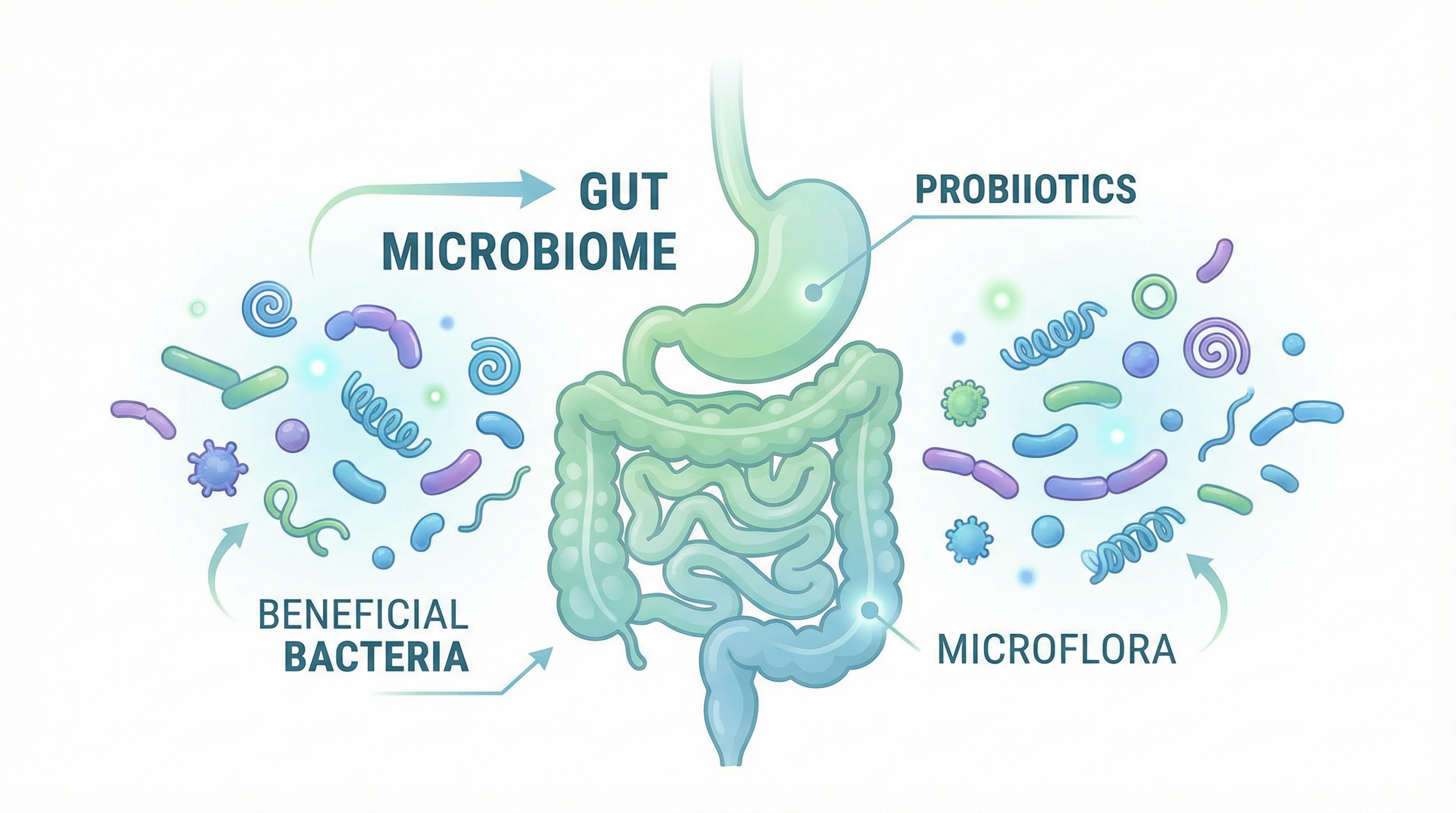
Imagine a bustling city hidden deep inside you, teeming with trillions of residents. This is your gut microbiome—a complex and dynamic ecosystem of bacteria, viruses, fungi, and other microorganisms that call your digestive tract home. The sheer scale of this microbial world is astounding; the number of microbial cells in your gut is estimated to be ten times greater than the number of human cells in your entire body.
This inner metropolis is not just a passive bystander. It is an active and essential partner in your health, influencing everything from your digestion and immune system to your mood and even your genetic expression. As we continue our journey from the gut health revolution, understanding this hidden world is key to unlocking optimal health.
The Key Players: Who Lives in Your Gut?
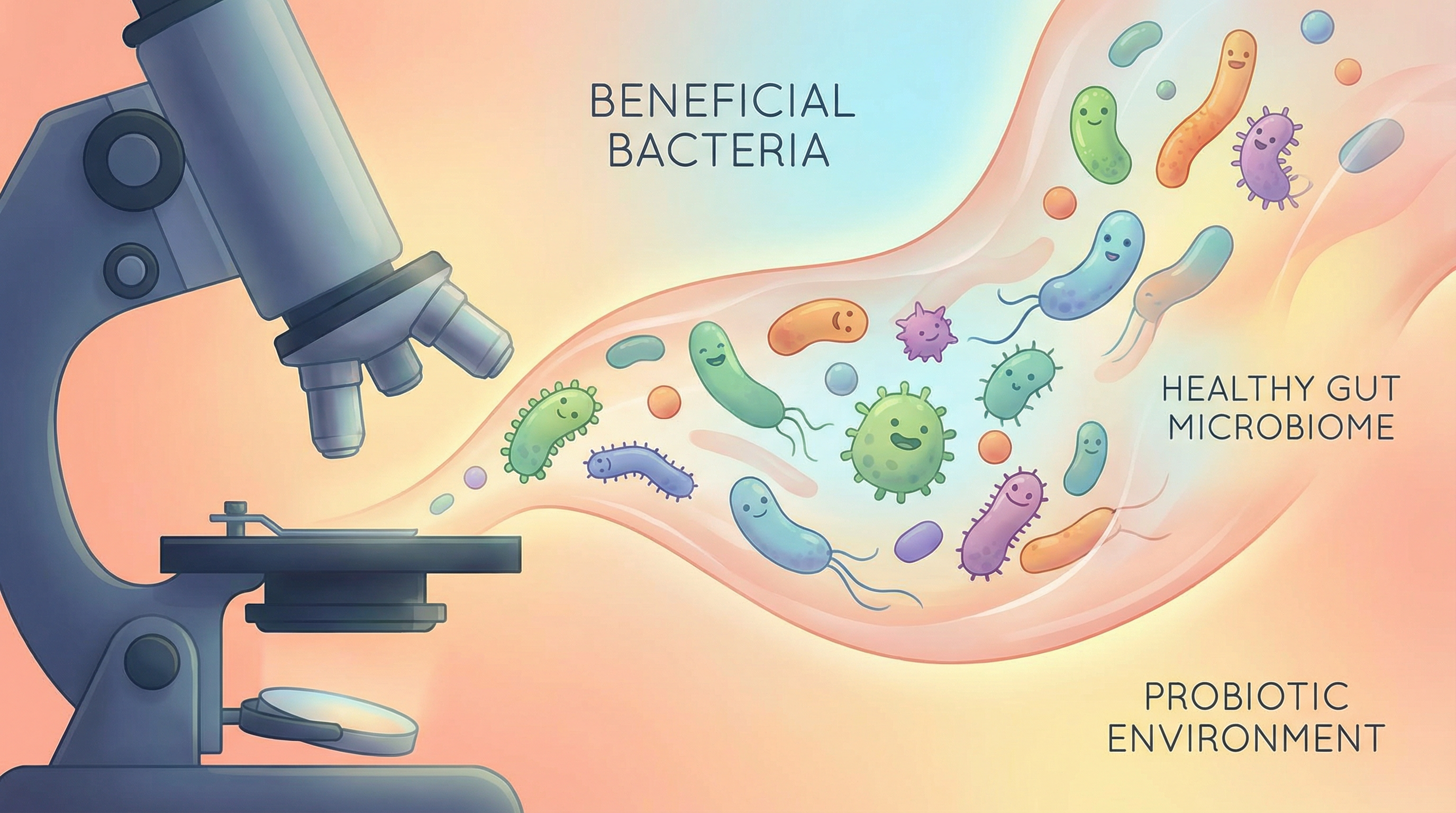
The gut microbiome is incredibly diverse, with thousands of different species of microorganisms coexisting in a delicate balance. While we often think of bacteria as harmful, the vast majority of bacteria in our gut are beneficial. These “good” bacteria play a vital role in maintaining our health.
Some of the key players in your gut include:
- Bacteroidetes and Firmicutes: These are the two most abundant phyla of bacteria in the human gut, playing a crucial role in breaking down carbohydrates and producing energy.
- Lactobacillus and Bifidobacterium: These are well-known probiotic bacteria that help maintain a healthy gut environment, support immune function, and produce beneficial compounds.
- Akkermansia muciniphila: This bacterium is associated with a healthy gut lining and has been linked to improved metabolic health.
The balance between these different types of bacteria is crucial. When harmful bacteria begin to outnumber the beneficial ones, it can lead to dysbiosis and a host of health problems. Learn more about the signs of gut imbalance to see if your microbiome might be off-kilter.
Microbial Diversity: The Key to a Healthy Gut
Just like a thriving ecosystem in nature, a healthy gut microbiome is a diverse one. A high level of microbial diversity is associated with a more resilient and robust gut environment, better able to withstand challenges from diet, stress, and other factors.
A diverse microbiome is better equipped to:
- Perform a wide range of metabolic functions
- Protect against pathogens and harmful bacteria
- Maintain a strong and healthy gut lining
- Support a balanced immune response
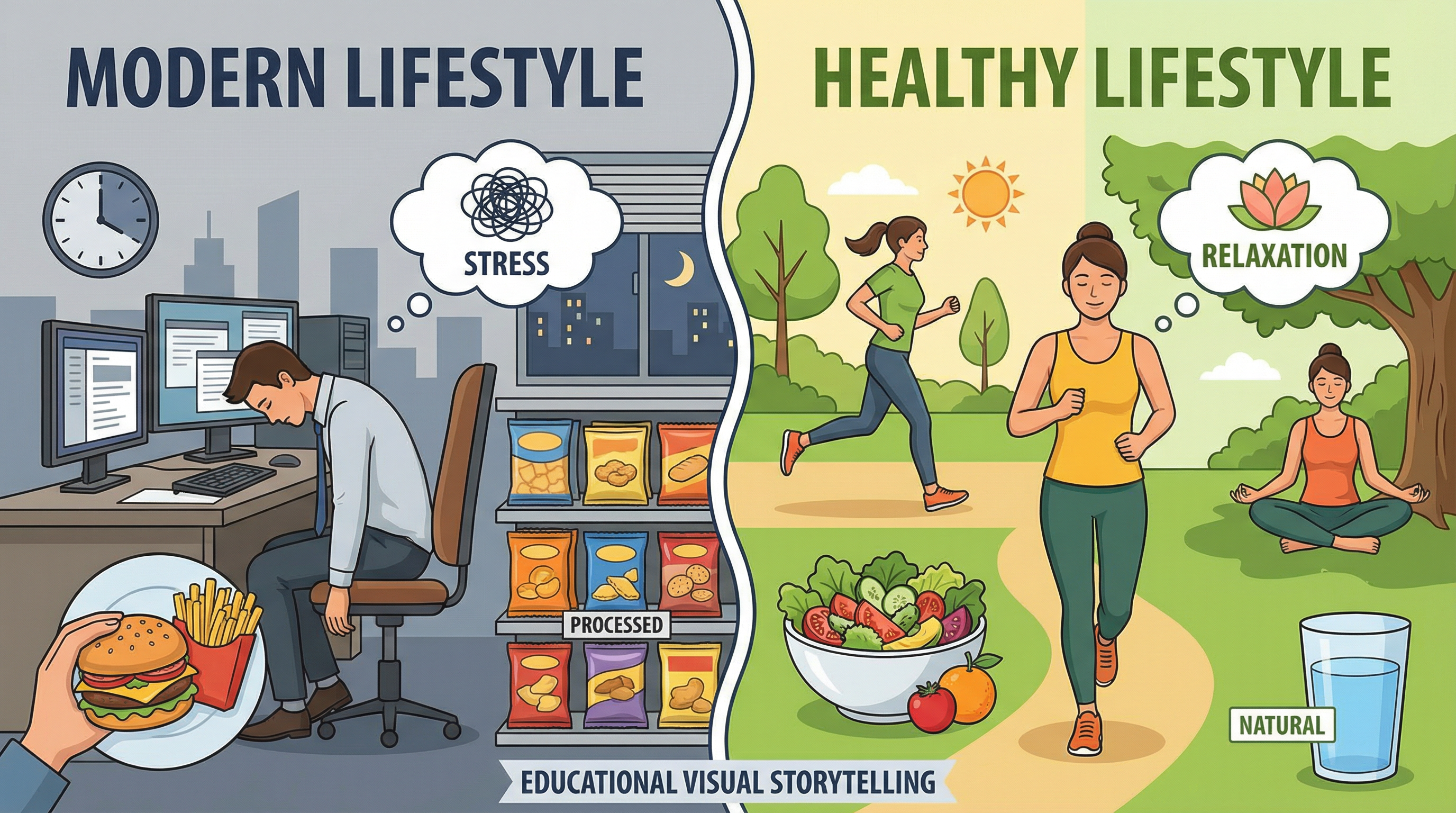
Unfortunately, many aspects of modern life, such as a processed food diet, antibiotic overuse, and chronic stress, can reduce microbial diversity and compromise gut health.
The Gut-Brain Axis: A Two-Way Conversation
One of the most fascinating discoveries in gut health research is the existence of the gut-brain axis—a bidirectional communication network that links the gut and the brain. This connection means that your gut health can directly impact your mental and emotional well-being, and vice versa.
The gut microbiome plays a key role in this communication by:
- Producing neurotransmitters like serotonin and dopamine, which regulate mood
- Influencing the body’s stress response
- Communicating with the brain via the vagus nerve
This intricate connection is why improving your gut health can lead to significant improvements in mood, stress resilience, and cognitive function. Explore this topic further in our article on the gut-brain connection.
Nourishing Your Inner Garden
The good news is that you have the power to influence the health of your gut microbiome. By making conscious choices about your diet and lifestyle, you can cultivate a diverse and thriving inner ecosystem.
Ready to learn how? Discover the best gut-healing foods to start nourishing your microbiome today.