

The Dynamic Duo of Gut Health
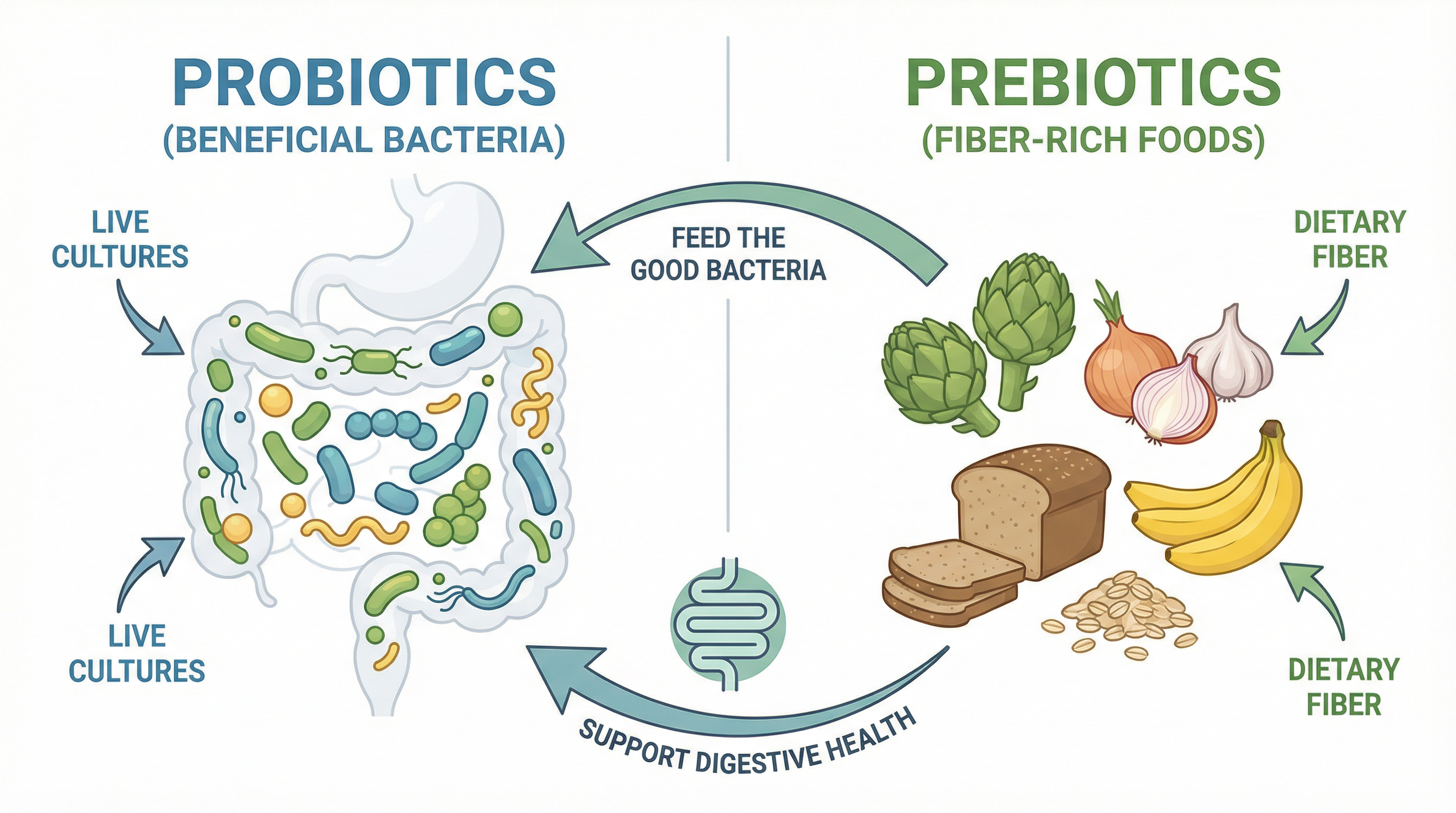
In the world of gut health, you’ll often hear the terms “probiotics” and “prebiotics.” While they sound similar, they play distinct and complementary roles in supporting a healthy microbiome. Think of them as a dynamic duo for your digestive system: probiotics are the beneficial bacteria, and prebiotics are the food that helps them thrive.
Understanding the difference between these two is essential for anyone looking to improve their gut health. Let's break down what each one does and how you can get more of both in your diet.
Probiotics: The "Good" Bacteria
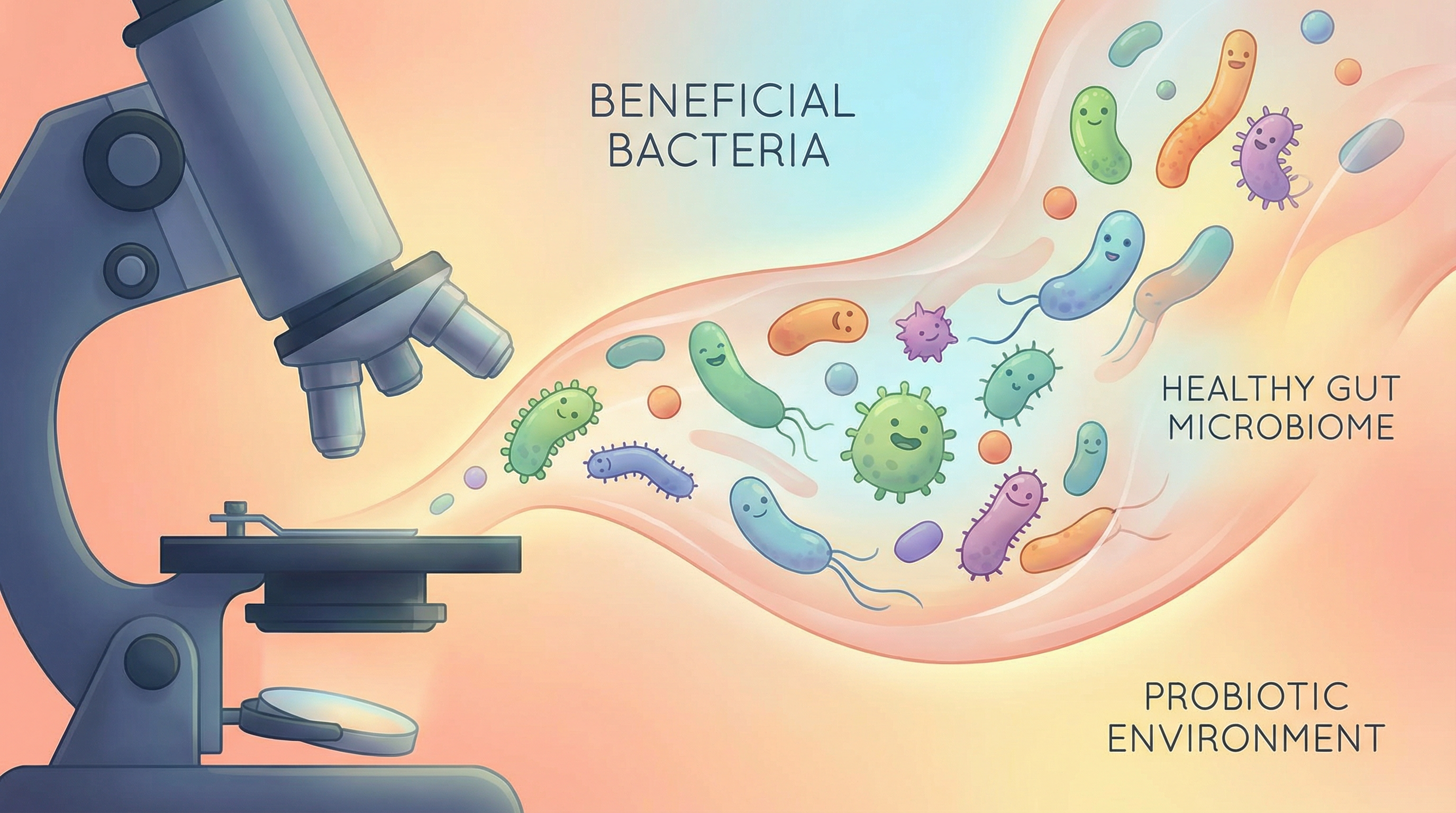
Probiotics are live microorganisms that, when consumed in adequate amounts, provide a health benefit. They are the "good" bacteria that help to maintain a healthy balance in your gut microbiome. Probiotics can be found in fermented foods and supplements.
Benefits of Probiotics:
- Improved Digestion: Probiotics can help to alleviate common digestive issues like bloating, gas, and constipation.
- Enhanced Immune Function: A healthy population of probiotics can support your immune system, which is largely housed in the gut.
- Reduced Inflammation: Certain strains of probiotics have been shown to have anti-inflammatory effects.
- Mental Health Support: Through the gut-brain axis, probiotics can influence mood and cognitive function.
Sources of Probiotics:
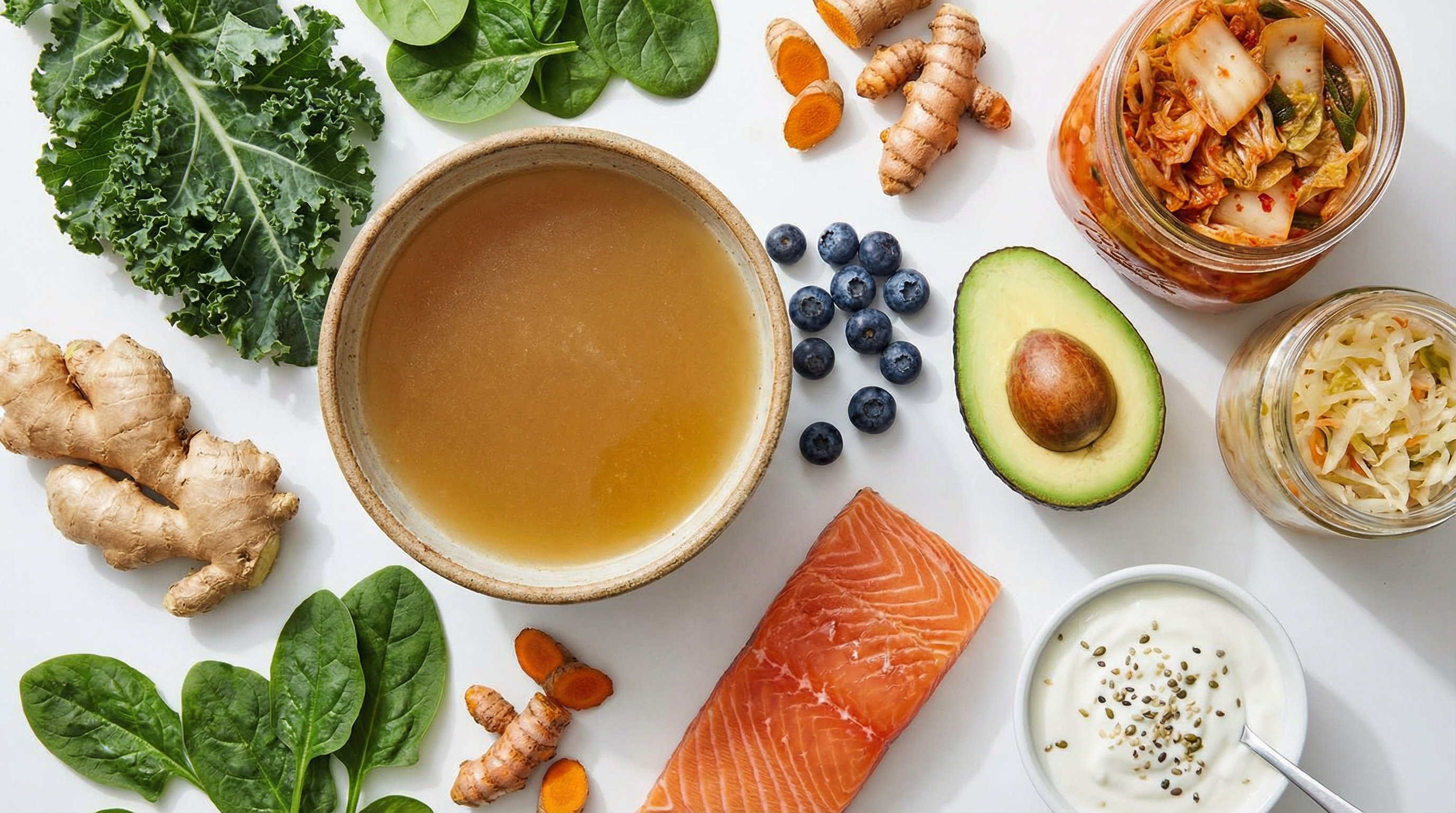
You can increase your probiotic intake by consuming fermented foods such as:
- Yogurt (look for "live and active cultures")
- Kefir
- Sauerkraut
- Kimchi
- Kombucha
- Miso
Prebiotics: The Food for Good Bacteria
Prebiotics are a type of dietary fiber that your body cannot digest. Instead, they travel to your lower digestive tract, where they serve as food for the beneficial bacteria in your gut. In essence, prebiotics are the fuel that helps your probiotics flourish.
Benefits of Prebiotics:
- Increased Beneficial Bacteria: Prebiotics promote the growth of healthy bacteria like Bifidobacteria and Lactobacilli.
- Improved Gut Barrier Function: By feeding good bacteria, prebiotics help to maintain a strong and healthy gut lining, which is crucial for preventing leaky gut.
- Enhanced Nutrient Absorption: A healthy microbiome, supported by prebiotics, can improve the absorption of minerals like calcium.
Sources of Prebiotics:
Prebiotics are found in a variety of plant-based foods, especially those high in fiber. Some of the best sources include:
- Onions
- Garlic
- Leeks
- Asparagus
- Bananas (especially slightly unripe)
- Oats
- Apples
- Flaxseeds
Synbiotics: The Power of Combination
The term "synbiotic" refers to a combination of probiotics and prebiotics. When you consume them together, you're both introducing beneficial bacteria and providing them with the food they need to thrive. A great example of a synbiotic meal is yogurt with sliced bananas and a sprinkle of flaxseeds.
A Holistic Approach to Gut Health
For optimal gut health, it's important to include both probiotics and prebiotics in your diet. By focusing on a diverse range of gut-healing foods, you can create a thriving inner ecosystem that supports your overall health and well-being.