


Ancient Wisdom for Modern Guts
Fermentation is an ancient technique for preserving food that has been practiced by cultures all over the world for thousands of years. But beyond preservation, fermentation also transforms food, creating a rich source of beneficial bacteria, or probiotics, that can have a profound impact on our gut health. Incorporating fermented foods into your diet is one of the easiest and most effective ways to support a healthy and diverse gut microbiome.
What Are Fermented Foods?
Fermented foods are foods and beverages that have undergone controlled microbial growth and enzymatic conversions. During this process, microorganisms like bacteria and yeast break down the sugars and starches in the food, creating lactic acid, beneficial enzymes, and various strains of probiotics.
The Benefits of Fermented Foods for Gut Health
1. A Rich Source of Probiotics
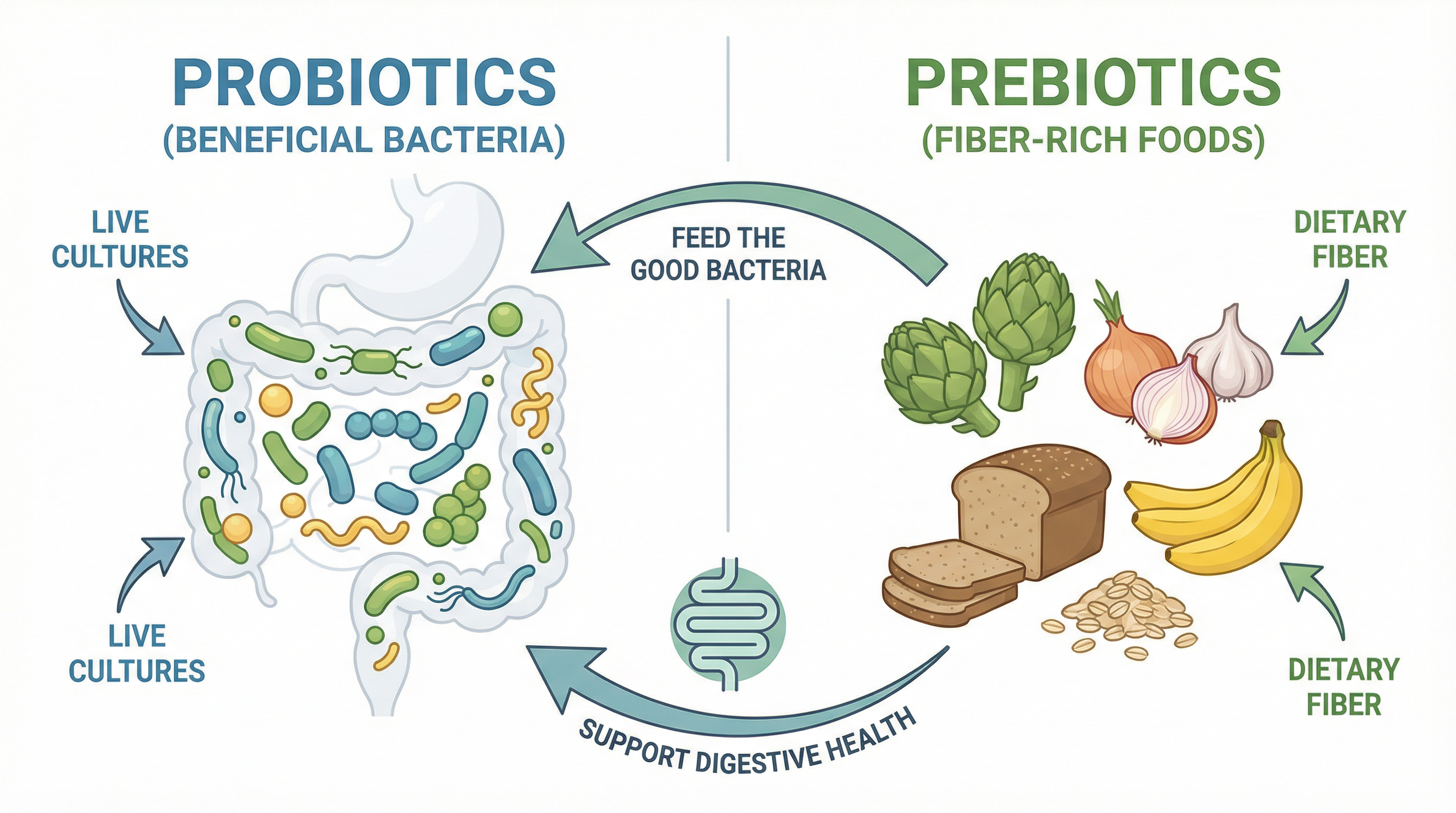
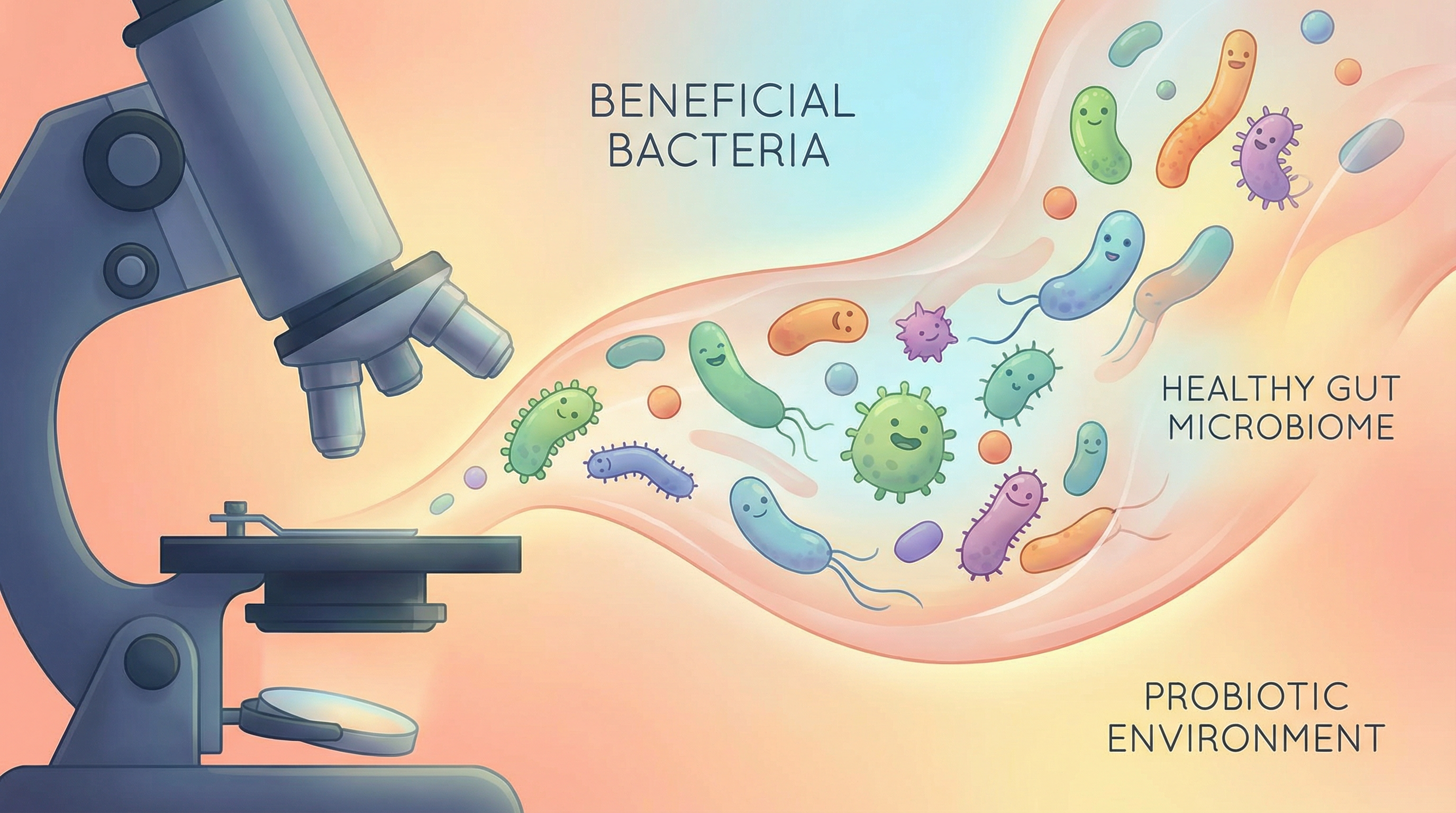
The most well-known benefit of fermented foods is their high concentration of probiotics. These beneficial bacteria help to restore and maintain a healthy balance in the gut microbiome, which is essential for good digestion, a strong immune system, and even mental well-being.
2. Improved Digestion
The fermentation process pre-digests the food, making it easier for your body to break down and absorb nutrients. For example, the fermentation of dairy to make yogurt or kefir breaks down lactose, which is why many people with lactose intolerance can tolerate these foods.
3. Enhanced Nutrient Availability
Fermentation can increase the bioavailability of certain nutrients, meaning your body can absorb and utilize them more effectively. It can also create new nutrients, such as B vitamins.
4. Support for the Immune System
Since a large portion of your immune system resides in your gut, a healthy microbiome is crucial for a robust immune response. The probiotics in fermented foods can help to support immune function and reduce inflammation.
Top Fermented Foods to Add to Your Diet
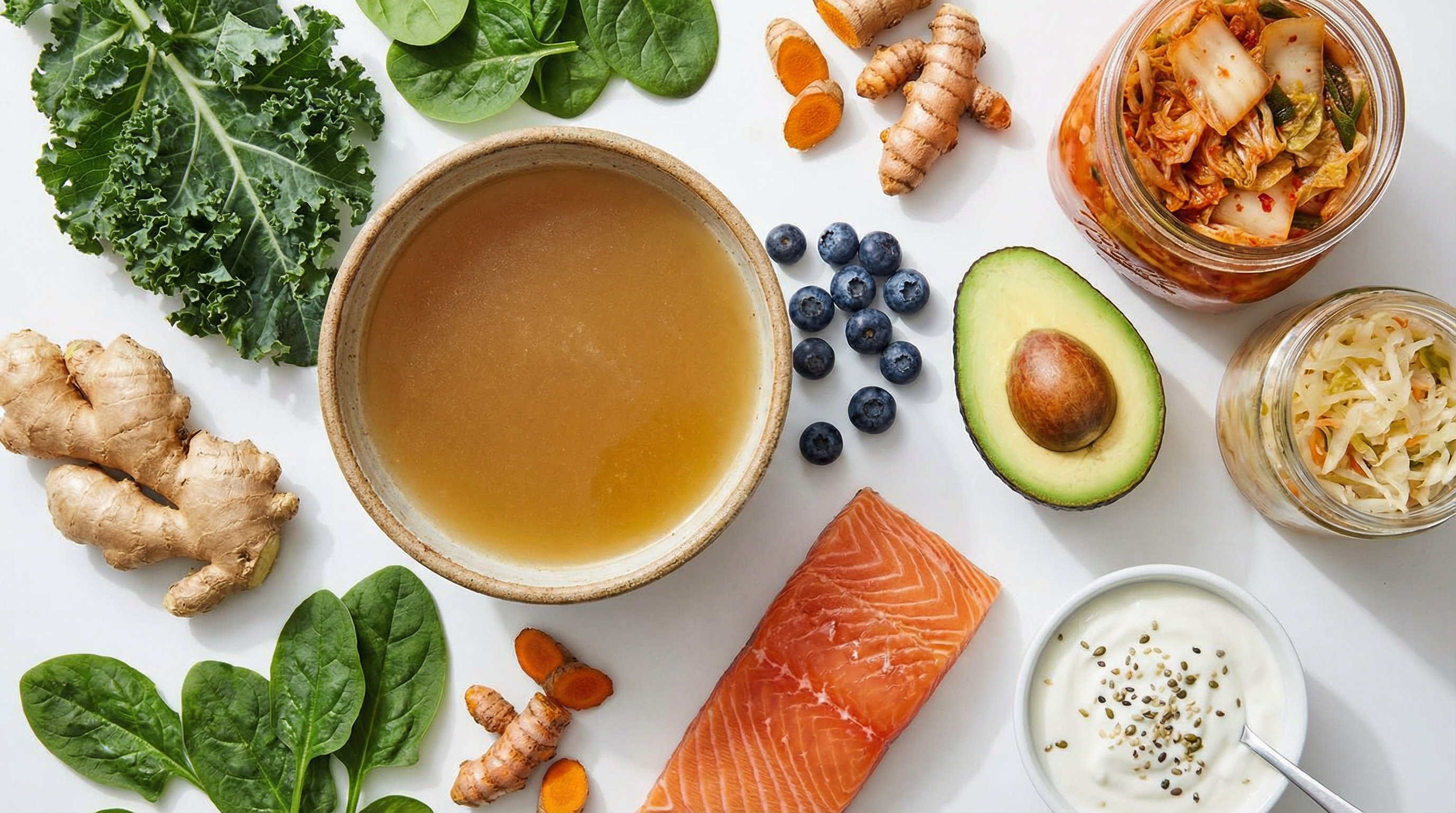
- Yogurt: Look for plain, unsweetened yogurt with "live and active cultures."
- Kefir: A fermented milk drink that is often even more potent in probiotics than yogurt.
- Sauerkraut: Fermented cabbage that is a great source of probiotics and fiber. Choose raw, unpasteurized sauerkraut from the refrigerated section of the grocery store.
- Kimchi: A traditional Korean fermented dish made from cabbage and other vegetables. It's spicy, flavorful, and packed with probiotics.
- Kombucha: A fermented tea beverage. Be mindful of the sugar content, as some brands can be quite high in added sugars.
- Miso: A fermented soybean paste that is a staple in Japanese cuisine. It adds a rich, savory flavor to soups and marinades.
A Simple Way to Boost Your Gut Health
Incorporating fermented foods into your diet doesn't have to be complicated. Start by adding a spoonful of sauerkraut to your salad, enjoying a glass of kefir with your breakfast, or sipping on some kombucha in the afternoon. Even small amounts of these powerful foods can make a big difference in your gut health over time. They are a cornerstone of any gut-healing diet.